Why Congress Must Codify a Chatbot Duty of Care
Brandie Nonnecke / Jul 28, 2026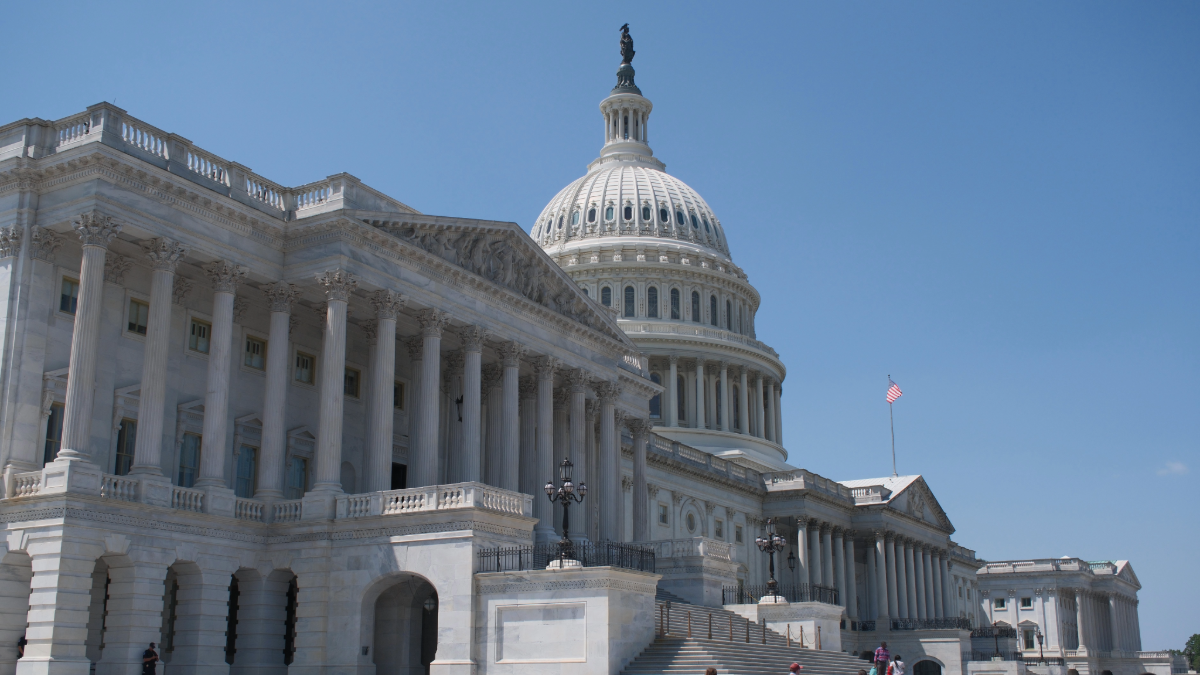
A photo shows US Capitol in Washington, D.C., United States of America on July 2, 2026. (The Yomiuri Shimbun via AP Images)
As concerns about chatbot-related harms to children grow, Congress should elevate a critical policy solution: an enforceable duty of care that ensures developers take proactive steps to protect kids from the potential dangers of AI.
Without a codified chatbot duty of care—a policy that compels companies designing products for widespread use by minors to take reasonable steps to prevent foreseeable harm—parents will be left to anticipate and respond to every new way an AI chatbot manipulates, exploits, or endangers their child.
Congress should not expect parents to shoulder the burden of unsafe product design.
Congress recognized long ago that products used by children warrant special safeguards. While physical toys must meet rigorous safety standards, AI chatbots remain largely unrestricted.
Nearly 30% of American teens use AI chatbots daily and one in five use them to seek mental health advice. Reports of harms have become increasingly difficult to ignore. Several parents have filed lawsuits against major AI chatbot developers. They allege developers are negligent in their product design, knowingly implementing design features that harm children.
Under longstanding negligence principles, companies have a duty to exercise reasonable care when designing products and services. Product liability law similarly recognizes that manufacturers can be held responsible when foreseeable harms result from defective or unreasonably dangerous designs.
These lawsuits are important. They help to clarify how existing negligence and product liability principles apply to AI chatbots. Yet the courts are fundamentally reactive, providing remedies after harm has occurred. In order to truly protect kids, developers must have a legal obligation to prevent harm to minors.
Congress has repeatedly acted on the principle that when risks to consumers become foreseeable and widespread, legal obligations should not depend solely on after-the-fact lawsuits or voluntary safety assurances. This is why Congress enacted laws such as the Motor Vehicle Safety Act and the Consumer Product Safety Act. These statutes established affirmative safety obligations designed to prevent harm before it occurs.
AI chatbots may now be approaching a similar inflection point. Research and independent safety evaluations increasingly recognize how chatbot design choices — anthropomorphic personas, simulated emotional relationships, persuasive conversational techniques, and engagement-maximizing features — can create heightened risks for minors. Once risks become foreseeable, courts often expect reasonable precautions consistent with existing negligence principles.
The Senate version of the Kids Online Safety Act (KOSA) would impose a duty of care on covered platforms to prevent and mitigate harms to minors. Similarly, the TRUMP AMERICA AI Act, put forward by Sen. Marsha Blackburn (R-Tenn.), includes provisions that would establish a duty-of-care obligation for AI chatbots. These bills reflect growing bipartisan recognition that child safety should be a legal design requirement, not merely a voluntary corporate commitment.
Critics argue that a duty-of-care obligation will stifle AI innovation. Yet history suggests otherwise. Safety requirements did not destroy the automobile and toy industries; they played a role in making them more trustworthy and competitive. Despite decades of expanding safety regulation, both industries remain major contributors to the US economy. The auto industry alone contributes a whopping $1.2 trillion and the toy industry over $155 billion annually to the US economy. Manufacturers responded not by abandoning innovation, but by integrating safety considerations into the design process.
Regulating industries to ensure products are safe does not inevitably lead to economic and innovation failure. The National Highway Traffic Safety Administration’s (NHTSA) 5-Star Safety Ratings Program helped create a “race-to-the-top” safety incentive among car manufacturers. As safety-conscious buyers prioritized safer cars, manufacturers had a market incentive to compete on safety. The result was a stronger marketplace where safety became a selling point, not an afterthought.
The same can be true for AI chatbots. Polling suggests Americans want safe AI chatbots for minors. A chatbot duty-of-care obligation could drive the industry toward competing on safety, making its implementation a competitive advantage.
Another concern offered by critics is that duty-of-care obligations harm smaller companies and startups. Duty of care is not a one-size-fits-all approach; it is grounded in a standard of reasonableness. Actions are evaluated on whether a “reasonable person” would have performed the same act in the same situation. Thus, it is unlikely that small AI startups would be evaluated on par with the AI juggernauts that have greater capital and resources.
Congress has an opportunity to move child safety from a reactive, case-by-case approach to an industry-wide standard. A chatbot duty of care would help ensure that developers systematically assess foreseeable risks, implement appropriate safeguards, and continuously monitor for emerging harms. By establishing clear legal expectations, Congress can create a level playing field that rewards responsible innovation while providing consumers with greater confidence that AI chatbots are safe for their kids.
We regulate children’s toys because our society cares deeply about keeping kids safe. Yet AI chatbots, which are becoming increasingly pervasive and influential in minors’ lives, remain largely unrestrained. When it comes to the safety and well-being of America’s youth, a legally mandated chatbot duty of care is necessary.
Authors