When an AI Manifesto Runs Into Reality
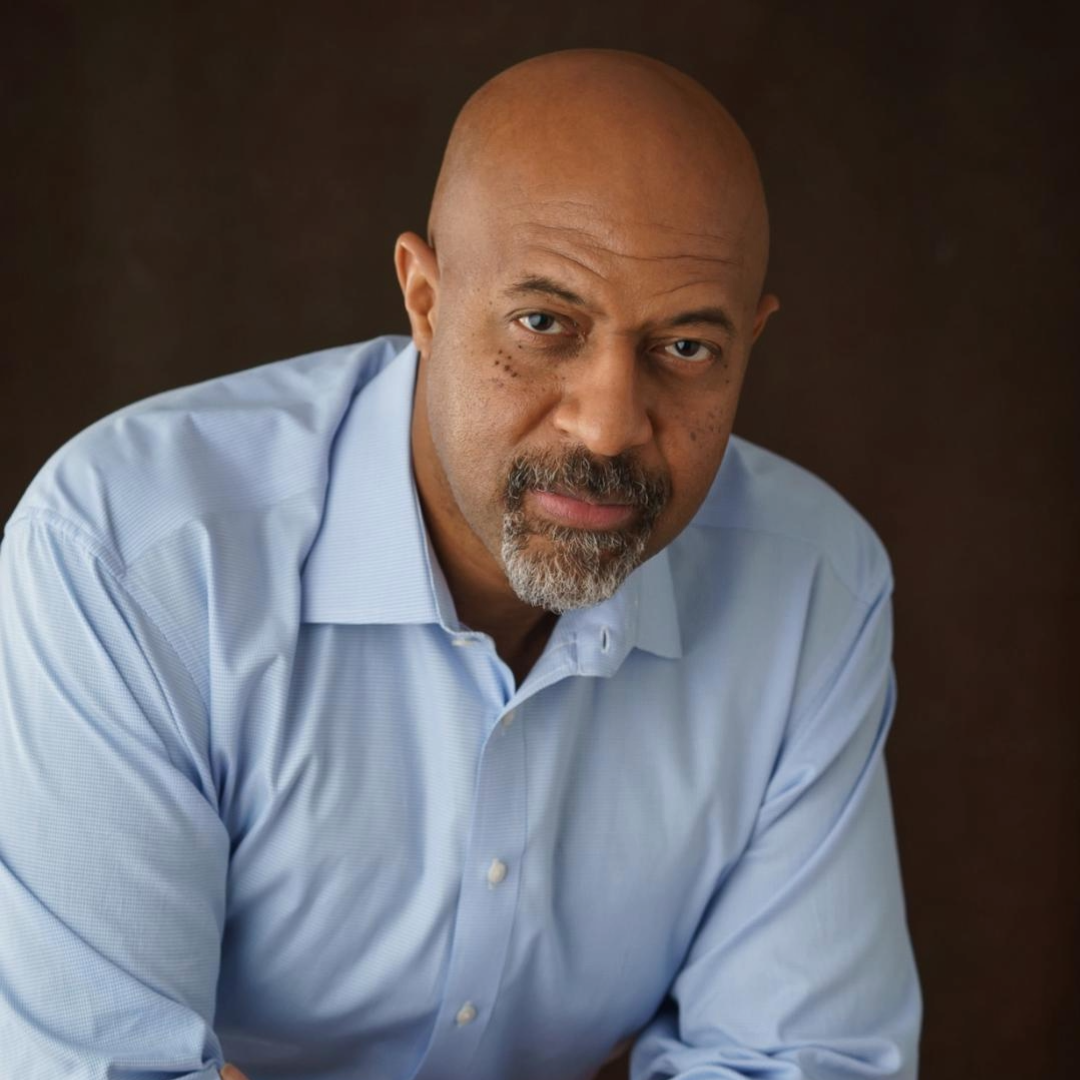
Roy L. Austin, Jr. / Aug 13, 2026Roy L. Austin, Jr. was formerly Meta’s Vice President of Civil Rights. He now directs the Howard Law Artificial Intelligence Initiative.
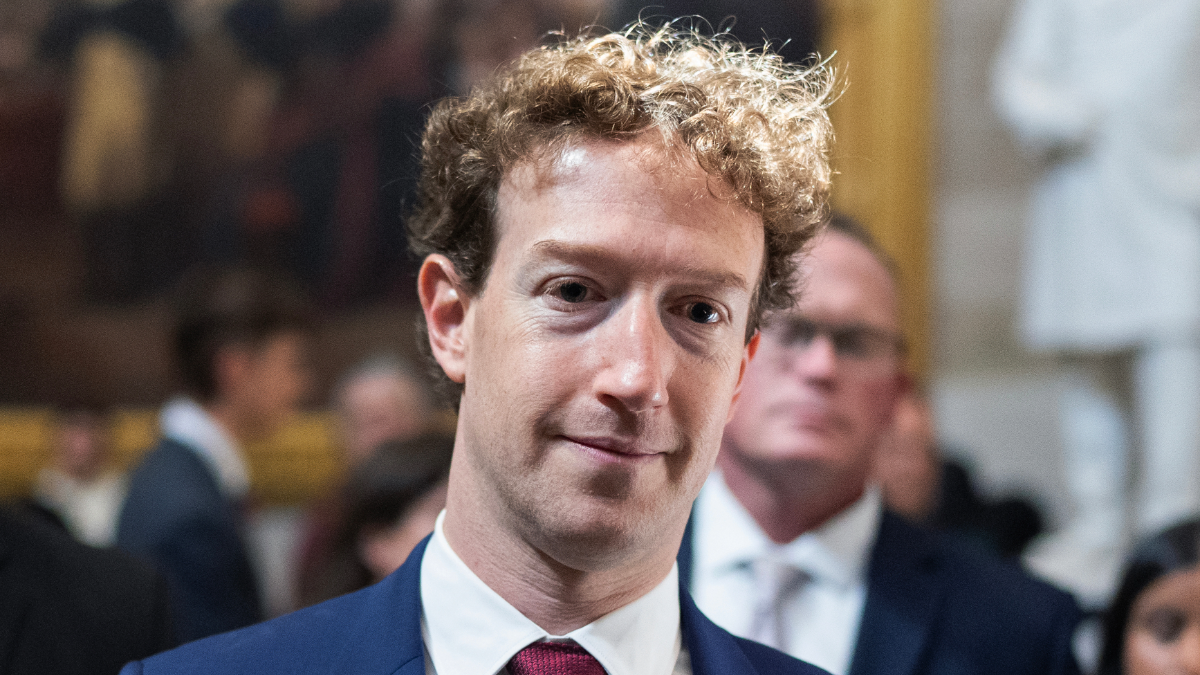
Mark Zuckerberg, CEO of Meta, is seen in the US Capitol after a meeting in the office of Senate Majority Leader John Thune, R-S.D., on Thursday, March 26, 2026. (Tom Williams/CQ Roll Call via AP Images)
At first glance, Mark Zuckerberg’s vision for the future as laid out in his August 10 manifesto “The Future is for Everyone” reads as a deeply optimistic, empowering, and refreshing take amidst a wash of pessimism and disempowerment coming from his fellow AI executives. Zuckerberg’s manifesto calls for a future that “improves all of our lives, work, communities, freedom and safety.” But, I wonder which Mark Zuckerberg wrote it.
Was it written by the executive who invested in teams fully dedicated to responsible and ethical technology and artificial intelligence; teams like the one I led, tasked with identifying and addressing users' civil rights concerns? I am not a doomer, but I’m also not naive. I know that technology can be used for bad, but also know that with the right guardrails and by centering human and civil rights that great good could be done, especially if the right internal teams are empowered.
I suspect that Meta will say that even if, because of an endless drive toward greater efficiency, most of those teams are no longer at Meta, that there are people doing the work. When I voluntarily walked away in March 2025, I knew that Meta still employed people who cared deeply about creating opportunities for every community. One of the tools my team built was a mandatory training module in compliance with the civil rights audit that helped employees consider the impact their choices had on communities.
But I wonder how many of those teams and employees are left after Zuckerberg lamented the lack of "masculine energy” at the company and laid off thousands. He mandated in his 2,000 word March 2023 “Update on Meta’s Year of Efficiency” that “all [non-engineer employee] groups [ ] get leaner and more efficient” to create “a more optimal ratio of engineers to other roles.” In other words, more engineers, fewer everyone else. Several important concepts were missing from this update: Responsible. Fair. Ethical. Equitable. Civil Rights. Human Rights. The employees who survived the layoffs undoubtedly got the message.
In Zuckerberg’s manifesto, he notes how “historically, hoping that an absolute power will benevolently provide for humanity if sufficiently enlightened has not led to safe or positive outcomes.” I certainly agree. But, how exactly do those words and words advocating for a “balance of power” square with the way Meta is spending tens of millions of dollars against people running for office who believe that our democratically elected leaders should establish reasonable AI regulation?
Zuckerberg writes, “we should distribute [superintelligence] widely and give every person the ability to direct it.” I wonder how this will play out in a dramatically inequitable world. As was laid bare during the Covid pandemic, an enormous digital divide still plagues this country: 22% of Americans do not have broadband internet at home, and 33% of people across the world do not have internet access, to say says nothing of the cost of tokens and the other expenses required for AI that can serve as a personal agent.
Zuckerberg promises “free versions” of this intelligent tool, but at what cost? Ad-subsidized products have long been shown to amplify scams, hateful content, and discrimination, and a personal assistant that can be paid to steer you toward advertisers’ preferred recommendations is not one the public should trust. Offering the opportunity for people to pay monthly fees to turn off the digital pollution of ever more promoted and sponsored posts is not much better.
The vision for a public empowered by transformative technology is compelling, but substantial barriers to realizing that future remain unaddressed. The economic and financial prosperity driven by AI that Zuckerberg imagines is currently concentrated in the hands of a few industry leaders, and the others in the top 1% of households who have as much wealth as the bottom 90%, the largest wealth gap since tracking began. There is considerable evidence that AI is not leading to a “deepening of relationships,” unless people come to consider intimate relationships with a chatbot to be deep.
Zuckerberg indicates an intent to navigate the environmental impact of AI growth responsibly, committing to being “water-positive” by 2030, but his positive environmental promises feel eerily like “concepts of a plan.” Just weeks ago, Meta walked away from the RE100 corporate renewable energy initiative because of the company’s massive use of natural gas to power data centers. Hopefully, the teachers in Richland Parish, Louisiana will not have to spend their $50,000 bonuses on health care for themselves and their families thanks to the pollution made worse by the new neighborhood data center.
“We view alignment as ensuring that agents share a person’s goals and values, not our company’s,” the manifesto states. But what if people value bullying, harassment and misinformation, or if they seek to use their personal superintelligence to craft a strategy to justify and execute on the oppression of entire communities, as this country has experienced time and again? Meta has a set of Community Standards which — until they apparently folded to pressure by the current White House to weaken them — broadly limited hate speech, and still limit bullying, harassment, and misinformation. Meta’s open models are not held to even the weaker standard. When a company is so willing to please users who want to say that Black people are dumber than white people, I wonder whether any positive vision for the future can survive such accommodations of sycophancy.
I write this critique not out of hostility, but rather in the hopes of re-starting important conversations about the responsibility that innovators have to the public. Sadly, Zuckerberg’s manifesto is replete with inconsistencies between the words he puts forward to inspire and the actions that he and other tech leaders keep taking. If Meta truly wants to make AI for everyone, its leaders should stop talking to AI and start listening to people who want fewer data centers and better relationships with human beings.
Authors