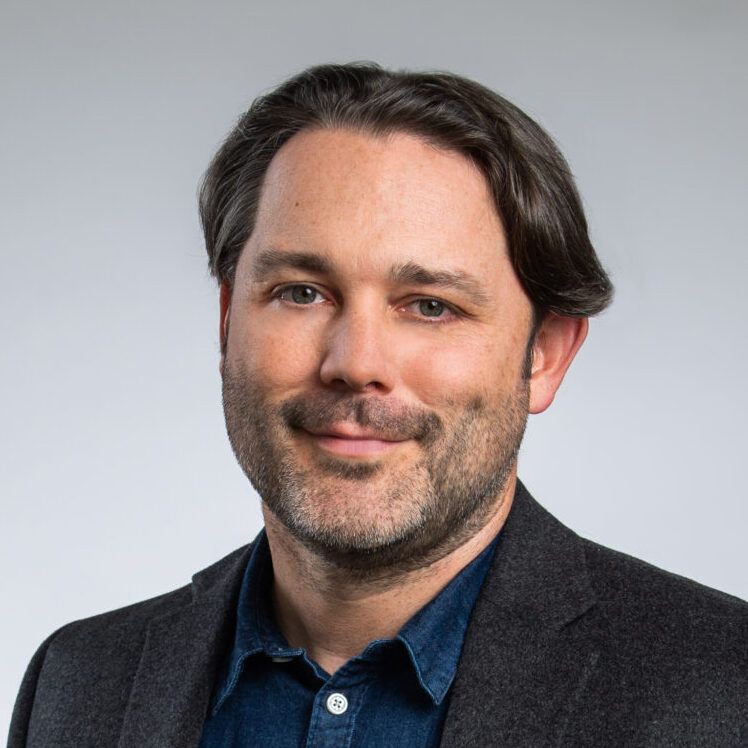
Local Reporter Neil Strebig on Covering xAI's Expansion in Memphis and Beyond
Justin Hendrix / Jun 21, 2026Audio of this conversation is available via your favorite podcast service.
Two years ago this month, the Greater Memphis, Tennessee Chamber of Commerce announced a deal to host a substantial new computing facility with Elon Musk’s artificial intelligence company, xAI. Dubbed "Colossus," the data center was built in an old Electrolux factory. It was brought online at record speed, and almost immediately drew questions about transparency, air quality, water use, and how a project of this scale had moved through local government so quickly.
Two years on, the story continues to expand alongside the company’s growing footprint, with a second campus—Colossus II—across the state line in Southaven, Mississippi; a contested gray water recycling plant; an ever-rising count of gas turbines; multiple lawsuits; and communities in South Memphis still pressing for straight answers.
Few people have tracked the details more closely than Neil Strebig, a reporter with The Commercial Appeal in Memphis who has covered the xAI story daily from the beginning. He’s attended community meetings and hearings; filed right-to-know requests; parsed the differing interpretations of the Clean Air Act by the EPA, the Shelby County Health Department and the Mississippi Department of Environmental Quality; counted turbines; and spent time with residents living alongside the facilities. The result is a command of a level of detail that few can match.
In this conversation, Strebig brings us up to speed on the latest developments — including a newly updated lawsuit citing unpermitted turbines in Southaven, the implications of the SpaceX IPO and the impending IPOs of other AI firms, and the stalled water recycling plant Memphis leaders had counted on. And, he reflects on what it has been like to chase facts as the story spread across two states and a thicket of jurisdictions.
This is the first of three episodes we’ll release over the next few days on the situation in Memphis and Southaven, and what it tells about the future of the AI infrastructure boom in the United States and the political debates and power struggles surrounding it.
A transcript is forthcoming.
Authors